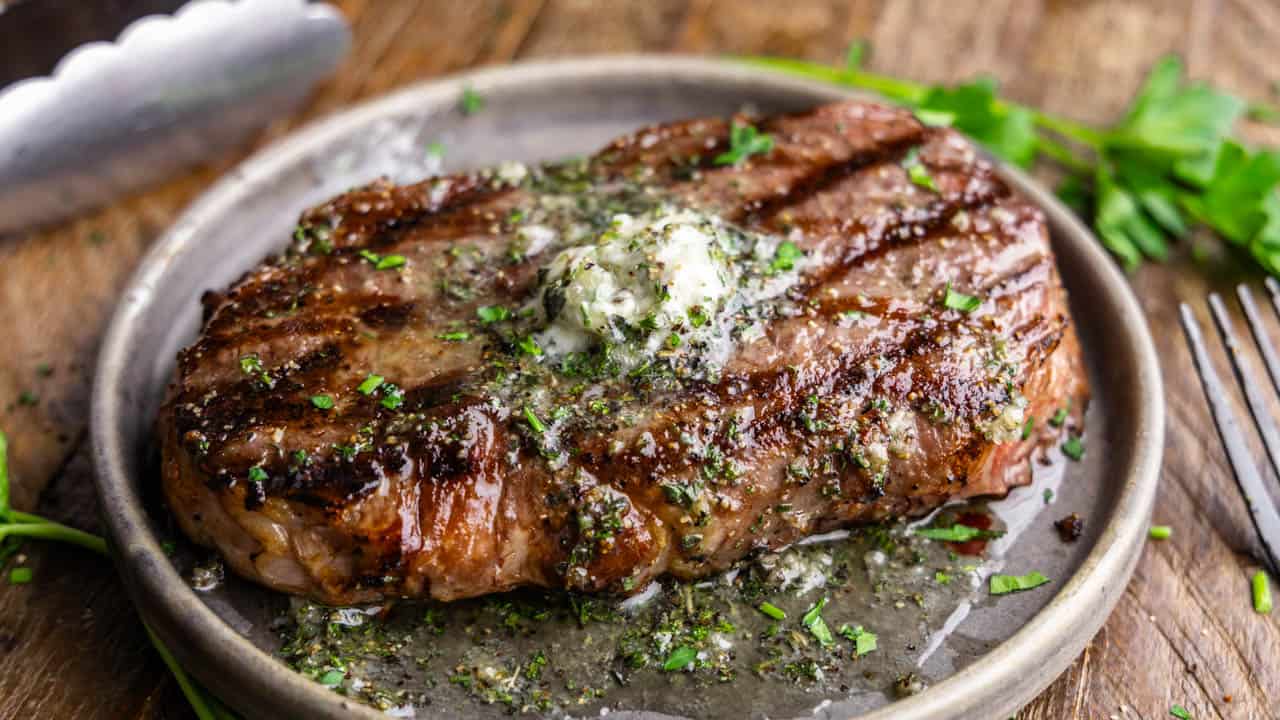
The sizzle of steak hitting a hot grill, the smoky aroma wafting through the air, and the anticipation of that first tender, juicy bite – it's an experience synonymous with summer, good company, and culinary satisfaction. Mastering the art of grilling steak isn't just about throwing meat on the heat; it's a journey from selecting the finest cuts to achieving that elusive perfect doneness. Whether you're a seasoned pitmaster or just starting your grilling adventures, this comprehensive guide will transform your backyard barbecue into a five-star steakhouse experience.
The Foundation: Selecting the Perfect Steak Cut
The journey to an incredible grilled steak begins long before it touches the grates. It starts with a visit to your butcher or supermarket meat counter, where an informed choice can make all the difference. Not all cuts are created equal, especially when it comes to the intense, direct heat of a grill.
Top Choices for the Grill Master
- Ribeye: Often considered the king of grilled steaks, the ribeye boasts generous marbling – those delicate veins of fat that melt into the meat, infusing it with unparalleled richness and juiciness. Its robust flavor stands up beautifully to the smoky char of the grill. However, its high-fat content requires vigilance to manage potential flare-ups.
- New York Strip: A fantastic alternative, the New York strip offers a superb balance of tenderness and bold, beefy flavor. With slightly less marbling than a ribeye, it presents fewer challenges with flare-ups while still delivering a satisfyingly juicy bite.
- Filet Mignon: The epitome of tenderness, filet mignon is lean, butter-soft, and cooks remarkably evenly. Its lower fat content makes it less prone to flare-ups, allowing it to cook quickly and perfectly on the grill. While less intensely flavored than a ribeye, its sublime texture is unmatched.
- T-Bone and Porterhouse: These impressive cuts offer the best of both worlds, featuring both the tenderloin (filet) and the strip steak, separated by a T-shaped bone. The bone itself adds depth of flavor and helps insulate the meat, though it can lead to slightly uneven cooking if not managed with care. A porterhouse is essentially a larger T-bone with a more substantial tenderloin section.
- Sirloin: A more budget-friendly yet flavorful option, sirloin is leaner than ribeye or strip. It provides a good balance of tenderness and beefy taste, making it a solid choice for everyday grilling without as much risk of flare-ups.
- Flank and Skirt Steak: These thinner, leaner cuts are ideal for quick grilling. They benefit from high heat and a rapid cook to medium-rare to prevent toughness. Known for absorbing marinades wonderfully, they're perfect for dishes like fajitas, tacos, or salads, offering a distinct, rich flavor and a satisfying chew.
Understanding Beef Grades: A Quality Compass
In the US, beef steaks are categorized into three primary grades by the USDA, reflecting quality standards primarily based on marbling and the animal's maturity. These grades are:
- Select: This is the lowest common grade found in supermarkets. While edible, Select grade beef typically has minimal marbling, resulting in a leaner, often less tender, and less juicy steak. It's usually the grade found on sale, but its quality can be disappointing.
- Choice: This is the most widely available and popular grade, offering a good balance of quality and value. Choice beef has moderate marbling, which contributes to its tenderness, juiciness, and flavor. For most home grillers, Choice grade is a reliable and highly recommended option.
- Prime: The highest grade available, Prime beef is characterized by abundant marbling, ensuring exceptional tenderness, juiciness, and rich flavor. Found in high-end restaurants and specialty butcher shops, Prime steaks offer an unparalleled eating experience. If your supermarket carries Prime, it's a treat worth splurging on for special occasions.
Always aim for Choice or Prime Grade steaks. The slight increase in price per pound is an investment in superior flavor, texture, and a truly enjoyable grilling steak experience.
Grilling Gear: Gas vs. Charcoal for the Ultimate Sear
The type of grill you choose significantly influences the flavor profile and overall experience of grilling steak. Both gas and charcoal grills have their passionate advocates, each offering distinct advantages.
- Charcoal Grills: For those who chase that quintessential smoky flavor, charcoal is king. The natural wood smoke permeates the meat, imparting a distinct, often complex, "firey" taste that many grill enthusiasts adore. Achieving high heat with charcoal is also very possible, leading to a fantastic sear. However, charcoal grills require more time to heat up, demand more attention during cooking to maintain temperature, and involve a more significant cleanup process.
- Gas Grills: Convenience and control are the hallmarks of a gas grill. They heat up quickly, allow for precise temperature adjustments with a turn of a knob, and offer an easier cleanup. While they may not impart the same deep smoky flavor as charcoal, modern gas grills with high BTU burners can still achieve an excellent crust and even cooking.
Ultimately, the choice between charcoal and gas depends on your priorities. Do you value convenience and control, or are you willing to invest extra time for that signature smoky char? Both can produce delicious steaks, so choose the one that aligns best with your grilling style and preferences. For a deeper dive into this fiery debate, explore our article: Gas vs. Charcoal: Choose Your Grill for Perfect Steak Flavor.
Beyond the Basics: Advanced Techniques for Perfect Doneness
Once you've selected your premium cut and fired up your grill, a few key techniques can elevate your steak from good to extraordinary.
The Art of Preparation: Seasoning and Temperature
Before your steak even touches the grill, preparation is key. First, pat your steak thoroughly dry with paper towels. Excess moisture creates steam, hindering the development of that coveted crust. Next, season generously! A good quality coarse sea salt and freshly cracked black pepper are often all you need, allowing the beef's natural flavor to shine. You can also experiment with simple rubs. For optimal searing, ensure your grill grates are clean and lightly oiled to prevent sticking.
The Revolutionary Frozen Grilling Method
Forget everything you thought you knew about thawing steak! Research popularized by America's Test Kitchen and Cook's Illustrated has demonstrated that grilling steak directly from a frozen state can yield superior results. This counter-intuitive method leads to a better sear, enhanced browning and crust development, significantly reduced moisture loss, and remarkably more even doneness throughout the meat. The frozen core acts as a thermal buffer, allowing the exterior to develop a robust Maillard reaction (browning) without overcooking the interior. For a complete guide to this game-changing technique, read: Unlock Juicy Steak: The Secret to Grilling From Frozen.
Mastering the Grill: High Heat, Direct & Indirect Zones
A screaming hot grill is non-negotiable for a perfect sear. Preheat your grill for 10-15 minutes until it reaches at least 450-500°F (232-260°C). For most steaks, especially thicker cuts (over 1.5 inches), employ a two-zone grilling method:
- Direct Heat: Place the steak directly over the hottest part of the grill to achieve a deep, caramelized crust on both sides. Sear each side for 2-4 minutes, depending on thickness and desired crust.
- Indirect Heat: Once seared, move the steak to a cooler part of the grill (with no direct flame beneath it) to finish cooking through without burning the exterior. Close the lid and continue cooking until it reaches your desired internal temperature. This method is particularly effective for thicker cuts, ensuring even cooking.
Be mindful of flare-ups, especially with fattier cuts like ribeye. If flames erupt, briefly move the steak away from the direct flame or close the lid for a few seconds to starve the fire of oxygen.
The Thermometer is Your Best Friend: Achieving Perfect Doneness
Guessing doneness by touch is a skill that takes years to hone, and even then, it's prone to error. An instant-read meat thermometer is the most reliable tool for consistently perfect results. Insert the thermometer into the thickest part of the steak, avoiding any bones.
Here’s a general guide to internal temperatures (remember that steak will continue to cook a few degrees after removal from the grill, known as "carry-over cooking"):
- Rare: 120-125°F (49-52°C) – Cool red center.
- Medium-Rare: 125-130°F (52-54°C) – Warm red center (recommended for most cuts).
- Medium: 130-135°F (54-57°C) – Warm pink center.
- Medium-Well: 140-145°F (60-63°C) – Slightly pink center.
- Well-Done: 150°F+ (66°C+) – Little to no pink.
Once your steak reaches 5-10 degrees *below* your target temperature, remove it from the grill and let it rest on a cutting board for 5-10 minutes. This crucial step allows the juices to redistribute throughout the meat, ensuring every bite is succulent and tender.
Troubleshooting Common Grilling Mistakes
Even the most experienced grillers can make mistakes. Here are a few common pitfalls to avoid:
- Not Preheating Enough: A cold grill leads to sticking and a lackluster sear. Always preheat thoroughly.
- Flipping Too Often: Resist the urge to constantly flip your steak. Let it develop a good crust on one side before turning, typically only once or twice.
- Cutting Into It Too Soon: Patience is a virtue. Cutting into a steak before it rests causes precious juices to escape, leaving you with dry meat.
- Overcooking: The most common mistake. Use your thermometer! It’s easier to put a steak back on for a minute or two than to fix an overcooked one.
Mastering the art of grilling steak is a rewarding culinary journey that combines careful selection, proper technique, and a dash of patience. From understanding the nuances of different cuts and beef grades to harnessing the power of high heat and the precision of an instant-read thermometer, every step contributes to the perfect result. Experiment with different grilling methods, savor the process, and soon you'll be consistently serving up steakhouse-quality meals right from your backyard. Happy grilling!
