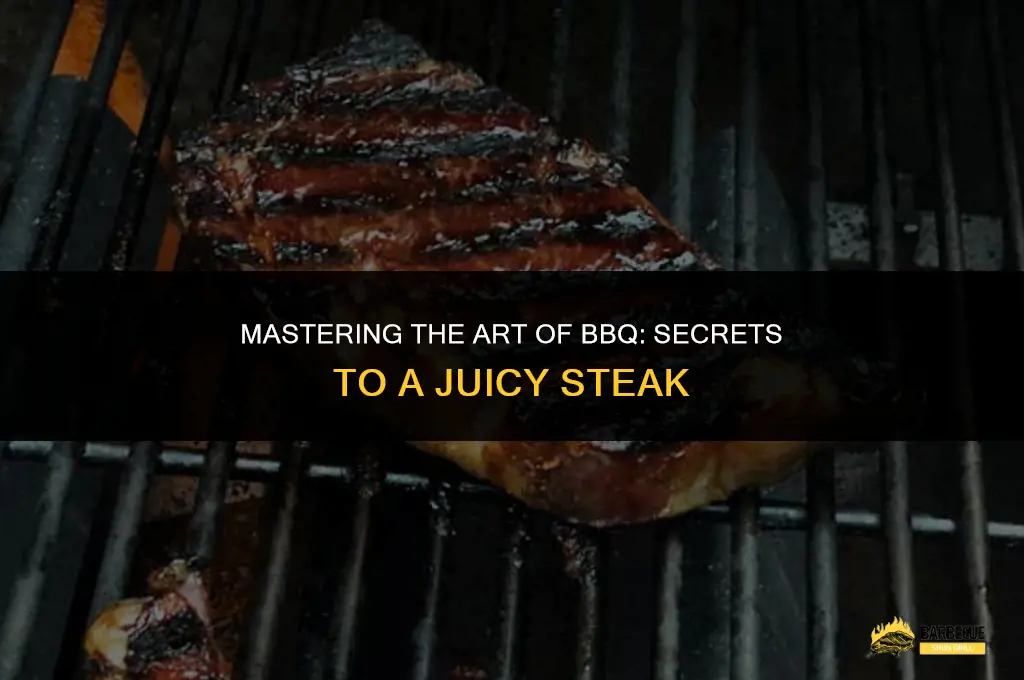
Unlock Juicy Steak: The Secret to Grilling From Frozen
There's nothing quite like the sizzle and aroma of a perfectly cooked steak fresh off the grill. For many home cooks, achieving that elusive steakhouse-quality result can feel like a challenge, often leading to dry edges, an unevenly cooked interior, or a lack of that coveted crust. But what if we told you there's a revolutionary technique that not only simplifies the process but consistently delivers a juicier, more flavorful steak with an impeccable sear? Enter the secret weapon of savvy grillmasters: grilling steak directly from its frozen state.
Forget the hours of thawing, the risk of bacterial growth, and the compromise on texture. This method, popularized by culinary authorities like America's Test Kitchen and Cook's Illustrated, transforms the way you think about preparing your favorite cuts. By leveraging the unique properties of a sub-zero steak, you can achieve a level of perfection that often surpasses traditional thawed methods. This guide will walk you through every step, from selecting the right cut to mastering the flame, ensuring your next grilled steak is an undeniable triumph.
Why Grill Steak From Frozen? Unlocking Superior Results
The idea of throwing a solid block of frozen beef onto a scorching hot grill might seem counterintuitive, even a little reckless. However, behind this unconventional approach lies a brilliant culinary science that yields truly remarkable benefits:
- Superior Sear and Crust Development: When a frozen steak hits the hot grates, its extremely cold surface allows it to remain on the high heat longer without overcooking the interior. This extended exposure to direct heat promotes an intense Maillard reaction – the chemical process responsible for that deep, savory browned crust and complex flavors. The result is a richer, more pronounced sear that's often difficult to achieve with thawed steaks, which tend to cook through too quickly.
- Reduced Moisture Loss for a Juicier Interior: One of the biggest challenges with grilling is preventing the meat from drying out. A thawed steak can lose a significant amount of moisture during cooking. With a frozen steak, the icy core acts as a thermal buffer, shielding the internal muscle fibers from excessive heat in the initial stages. This significantly reduces moisture evaporation, leading to a steak that is noticeably juicier and more succulent from edge to edge.
- More Even Doneness Throughout: Ever cut into a beautifully seared steak only to find a grey band around the edges and a much pinker center? This uneven cooking is common with thawed steaks. When grilling from frozen, the internal temperature rises more gradually and uniformly. The frozen core slowly thaws and cooks, preventing the exterior from overcooking while the center catches up. This means a more consistent level of doneness, from the very edge of the crust right to the center, eliminating that undesirable grey ring.
- Enhanced Flavor and Texture: Less moisture loss naturally translates to a more concentrated beef flavor. The combination of an incredible crust, a juicy interior, and even doneness creates a truly elevated eating experience. Blind taste tests have consistently shown a preference for steaks cooked from frozen due to their superior texture and taste.
Preparing Your Steak for the Frozen Grill
While the grilling technique itself is unique, the foundation of a great steak starts well before it touches the heat. Choosing the right cut and grade, and a crucial pre-grill step, will set you up for success.
Selecting the Perfect Cut and Grade
Not all steaks are created equal, and while the frozen method works wonders for many, starting with quality beef is paramount. For more detailed insights into selecting cuts, refer to our article: Master Grilling Steak: From Selecting Cuts to Perfect Doneness.
- Ribeye: A top contender, known for its generous marbling (intra-muscular fat) that melts into the meat, imparting rich flavor and keeping it incredibly juicy. Be mindful of potential flare-ups from the fat.
- New York Strip: Offers a superb balance of tenderness and robust beefy flavor with slightly less marbling than a ribeye, making it a solid choice with fewer flare-up concerns.
- Filet Mignon: The epitome of tenderness, though leaner. Its low fat content means it cooks quickly and evenly, and is less prone to flare-ups.
- T-Bone and Porterhouse: These impressive cuts offer the best of both worlds, featuring both the tenderloin (filet) and the strip steak, separated by a bone. The bone adds flavor but can sometimes lead to uneven cooking if not managed correctly.
- Sirloin: A more budget-friendly option that's leaner but still flavorful. Less fat means fewer flare-ups, making it a forgiving choice for the frozen method.
- Flank and Skirt Steak: Thinner cuts that are excellent for quick grilling, especially to medium-rare. Their lower fat content also reduces flare-up risks. While these can be grilled from frozen, the benefits of even cooking might be less pronounced due to their inherent thinness. Thicker cuts (1-1.5 inches) generally yield the most dramatic results with this technique.
Beyond the cut, always pay attention to the USDA grade of beef:
- Select: Often sale-priced, but generally lacks the marbling needed for a truly tender and flavorful steak. It's best to avoid this grade if you're aiming for perfection.
- Choice: This is your reliable workhorse. Choice grade steaks offer good marbling, tenderness, and flavor, and are widely available. It’s always worth the slight extra investment over Select.
- Prime: The highest grade, reserved for the best cuts with abundant marbling. If your supermarket carries Prime, treat yourself! These steaks offer an unparalleled eating experience.
For grilling from frozen, we strongly recommend sticking to Choice or Prime grade for optimal results.
The Critical Pre-Freezing Seasoning Step
Here's a crucial departure from traditional grilling: season your steaks generously before freezing them.
Pat your steaks dry with paper towels. Then, apply your desired seasoning blend – a simple mix of coarse salt and freshly cracked black pepper is often all you need, but feel free to add garlic powder, onion powder, or your favorite steak rub. Once seasoned, wrap each steak individually in plastic wrap, then place them in a freezer-safe bag or container. Freeze them solid for at least 24 hours.
Why season before freezing? When the steak is frozen and then grilled, the seasoning has a chance to adhere tightly to the surface and slowly work its way into the meat as it thaws on the grill. This ensures flavor in every bite. Attempting to season a rock-solid frozen steak is difficult and often ineffective. If you forget this step, you can still lightly season the steak immediately after searing on the grill, but pre-freezing is the superior approach.
The Grilling Process: From Freezer to Fiery Perfection
Now for the main event! The process of grilling a frozen steak is about harnessing intense heat for searing and then moving to a gentler zone for even internal cooking.
Grill Setup: High Heat is Key
Whether you prefer the convenience of a gas grill or the smoky char of charcoal, the principle for grilling frozen steak remains the same: you need intense, screaming hot direct heat for the initial sear, followed by a cooler, indirect heat zone for finishing. For a deeper dive into grill types, check out: Gas vs. Charcoal: Choose Your Grill for Perfect Steak Flavor.
- Gas Grill: Preheat your grill to high, aiming for at least 450-500°F (230-260°C). Turn off one or two burners to create an indirect heat zone.
- Charcoal Grill: Arrange your coals for a two-zone fire – a high-heat direct zone where coals are piled thick, and a cooler indirect zone with fewer or no coals. Get those coals glowing red hot.
Ensure your grill grates are clean and hot before you begin. A clean, hot grate prevents sticking and helps create those coveted grill marks.
Step-by-Step Grilling Instructions
- Preheat Aggressively: Get your grill as hot as possible. Seriously, let it heat up for 10-15 minutes.
- The Initial Sear (Direct Heat):
- Carefully place your *frozen, seasoned* steaks directly over the hottest part of the grill.
- Sear for 4-6 minutes per side. Resist the urge to move them too soon! Let them develop a beautiful, deep brown crust. You should hear a significant sizzle.
- For thicker steaks (over 1.5 inches), you might even flip them every 3 minutes for a total of 12 minutes (6 minutes per side) on direct heat to ensure a robust sear.
- Move to Indirect Heat:
- Once both sides are beautifully seared and have a dark, flavorful crust, move the steaks to the cooler, indirect heat zone of your grill.
- Close the grill lid to allow the ambient heat to cook the interior gently and evenly.
- Continue cooking, flipping the steaks every 5-7 minutes, until they reach your desired internal temperature.
- Monitor Internal Temperature with an Instant-Read Thermometer: This is the most crucial step for achieving perfect doneness, especially when grilling from frozen. Insert the thermometer into the thickest part of the steak, avoiding the bone.
- Rare: 125-130°F (52-54°C)
- Medium-Rare: 130-135°F (54-57°C)
- Medium: 135-140°F (57-60°C)
- Medium-Well: 140-145°F (60-63°C)
- Well-Done: 150-155°F (65-68°C) – While achievable, this method truly shines for medium-rare to medium, preserving juiciness.
- Rest Your Steak: Once your steak reaches the desired temperature (or 5 degrees below, as it will continue to cook during resting), remove it from the grill and place it on a cutting board or platter. Tent it loosely with aluminum foil and let it rest for 5-10 minutes. This allows the juices to redistribute throughout the meat, resulting in a significantly juicier steak.
Essential Tips for Grilling Frozen Steak Like a Pro
- An Instant-Read Thermometer is Your Best Friend: Seriously, don't guess. With the unique cooking dynamics of a frozen steak, an accurate thermometer is indispensable for hitting your target doneness every time.
- Don't Thaw! The whole point of this technique is to cook from frozen. Thawing the steak first negates all the benefits.
- Manage Flare-ups: Fattier cuts like ribeye can cause flare-ups, especially during the initial high-heat sear. Keep a spray bottle of water nearby to spritz down any flames that threaten to char your steak.
- Clean and Oil Your Grates: A well-maintained grate prevents sticking. You can also lightly brush a neutral high-smoke-point oil (like canola or grapeseed) directly onto the *frozen* steak before placing it on the grill for extra insurance against sticking.
- Patience is a Virtue: Resist the urge to constantly flip or move the steak during the searing phase. Let it sit and develop that beautiful crust.
- Consider Compound Butter: For an extra touch of decadence, dollop a pat of herb-infused compound butter on your steak while it's resting. The melting butter will mingle with the steak's juices, adding another layer of flavor.
- Experiment with Seasonings: While salt and pepper are classic, don't shy away from experimenting with different rubs or spices before freezing to discover your favorite flavor profiles.
Conclusion
Grilling steak from frozen is more than just a convenient shortcut; it's a legitimate culinary technique that consistently produces superior results. By embracing this method, you can unlock a level of searing, juiciness, and even doneness that will transform your backyard barbecue into a gourmet experience. So, next time you're craving a steakhouse-quality meal at home, skip the thawing, grab your frozen steak, and confidently step up to the grill. You'll be amazed at the succulent, perfectly cooked masterpiece you can create, cementing your status as a true grillmaster.
