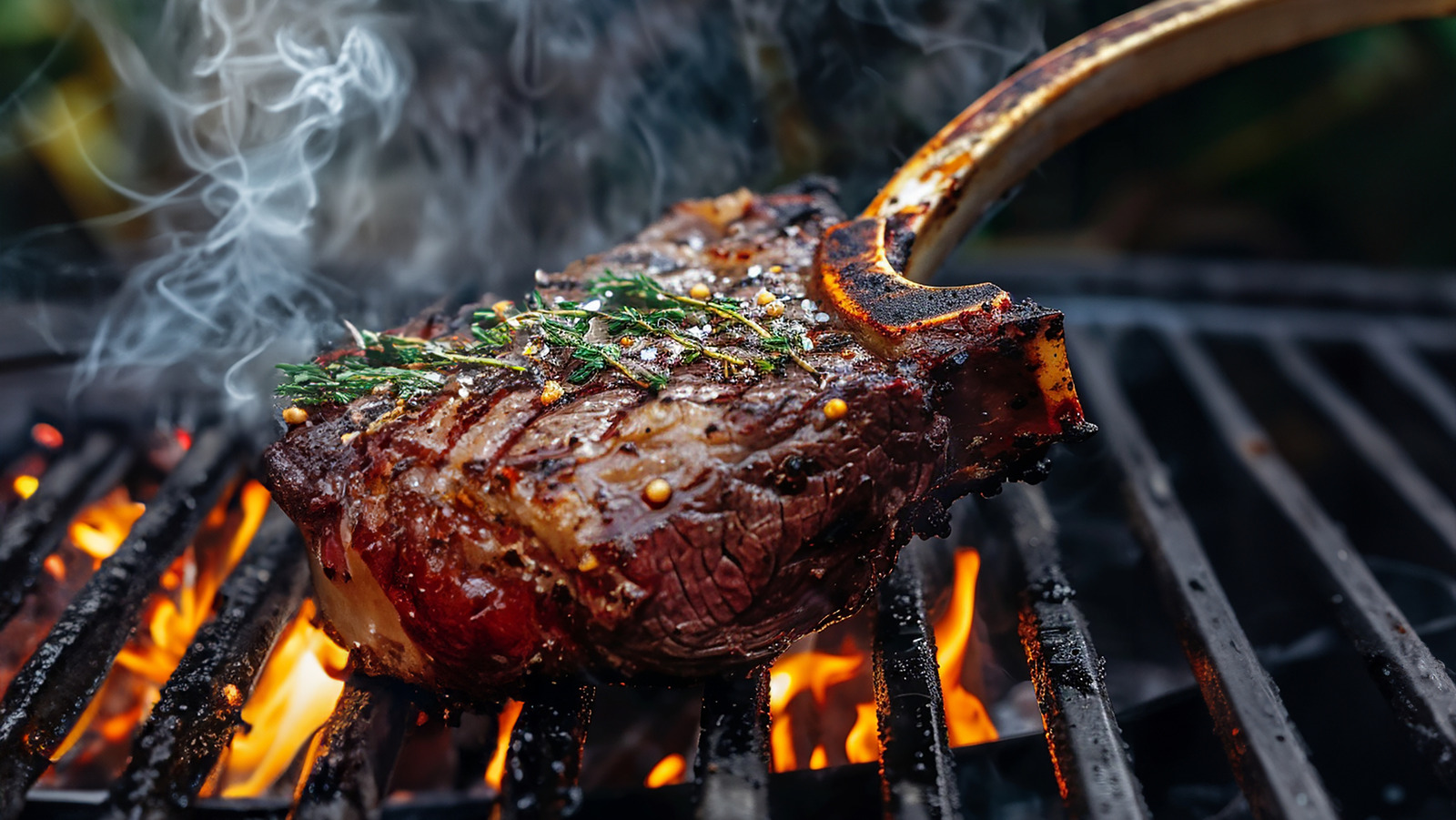
Achieving that perfect, restaurant-quality steak right in your own backyard is a culinary dream for many. Whether you're hosting a lively barbecue or simply craving a prime cut cooked to perfection, mastering the art of grilling steak can elevate any meal. But before you even consider seasoning or searing, a fundamental choice looms: gas or charcoal? This decision isn't just about convenience; it significantly impacts the flavor, texture, and overall experience of your grilled masterpiece.
From selecting the ideal cuts and understanding beef grades to managing the heat and even exploring unconventional techniques, every step contributes to a flawless finish. Let's dive into the ultimate grill debate and uncover the secrets to making you look like a grillmaster every time your steak hits the grates.
The Great Grill Debate: Gas vs. Charcoal for Your Steak
The heart of any outdoor cooking adventure often boils down to the type of grill you choose. Both gas and charcoal grills are capable of producing utterly delicious steaks, but they cater to different preferences and offer distinct advantages. Your ultimate decision will likely hinge on your priorities: convenience versus a specific flavor profile.
Charcoal Grills: The Purist's Choice for Smoky Perfection
For many grill enthusiasts, a charcoal grill is synonymous with authentic barbecue. The undeniable allure of charcoal lies in its ability to impart a rich, smoky depth to your food that gas grills simply cannot replicate. As the charcoal burns, it releases natural wood smoke that infuses directly into the meat, adding an extra dimension of fiery, complex flavor that's highly coveted for grilling steak.
- Unmatched Flavor: The primary reason to choose charcoal is the distinct smoky taste. The drippings from the steak hit the hot coals, vaporizing and swirling back up to coat the meat in even more flavor, enhancing the Maillard reaction.
- High Heat Potential: Charcoal can reach incredibly high temperatures, crucial for achieving that coveted, crispy crust and perfect sear on a thick steak.
- The Grilling Ritual: For many, the process of lighting the coals, waiting for them to ash over, and managing the heat manually is part of the enjoyment—a true hands-on grilling experience.
However, charcoal grilling does come with its trade-offs. It typically takes longer to heat up, requiring about 20-30 minutes for the coals to be ready for cooking. Temperature control can also be more challenging, demanding a keen eye and understanding of vent adjustments to maintain consistent heat. Cleanup, involving ash disposal, is also more involved compared to a gas grill.
Gas Grills: Convenience Meets Consistent Performance
If speed, ease of use, and precise control are your top priorities, a gas grill is likely your best bet. Gas grills offer unparalleled convenience, making them ideal for weeknight grilling or those who prefer a less fuss-intensive cooking experience.
- Instant Gratification: Gas grills heat up rapidly, usually within 10-15 minutes, allowing you to go from ignition to searing in no time.
- Precise Temperature Control: With adjustable burner knobs, you can easily set and maintain specific temperatures, creating perfect two-zone cooking setups for searing and then finishing steaks indirectly. This precision helps prevent overcooking and ensures even doneness.
- Effortless Cleanup: There's no ash to dispose of, and the grates are generally easier to clean. Simply brush them down after cooking, and you're good to go.
- Versatility: Many gas grills come with side burners, rotisseries, and other features that enhance their functionality beyond just grilling steak.
While gas grills may lack the deep smoky flavor of charcoal, you can still achieve excellent results for grilling steak. Using smoker boxes with wood chips can introduce some smoky notes, and the consistent high heat ensures a beautiful sear. For those who value a quick, controlled, and consistent grilling experience, gas is an unbeatable choice.
Beyond the Grill: Choosing the Perfect Steak Cut and Grade
No matter your grill preference, the quality and type of steak you choose are paramount to achieving a truly exceptional meal. The cut, its marbling, and its grade all play significant roles in flavor, tenderness, and how well it performs on the grill.
Top Steak Cuts for the Grill Master
When it comes to grilling steak, certain cuts stand out for their flavor, tenderness, and ability to handle high heat. Understanding their characteristics will guide you to your perfect pick:
- Ribeye: Often considered the king of grilling steaks, the ribeye is celebrated for its abundant marbling (intramuscular fat). This fat melts during cooking, basting the meat from within, resulting in an incredibly rich, juicy, and flavorful steak. However, that high fat content means you need to be mindful of flare-ups.
- New York Strip: Offering a fantastic balance of tenderness and robust beefy flavor, the New York Strip has a slightly firmer texture than a ribeye with less marbling. This makes it a solid, reliable choice for grilling with fewer flare-up concerns.
- Filet Mignon: The most tender of all cuts, filet mignon is lean and incredibly buttery in texture. Its low fat content means it cooks quickly and evenly, making it less prone to flare-ups. While less intensely flavored than a ribeye or strip, its melt-in-your-mouth tenderness is unparalleled.
- T-Bone and Porterhouse: These impressive bone-in cuts offer the best of both worlds, featuring a tenderloin (filet mignon) on one side of the bone and a New York strip on the other. The bone adds flavor and helps retain moisture, but requires careful heat management for even cooking due to the different cooking rates of the two muscle types.
- Sirloin: A more budget-friendly option, sirloin is leaner than ribeye and strip but still delivers good flavor. It's a versatile choice for grilling steak, particularly when marinated.
- Flank and Skirt Steak: These thinner, fibrous cuts are perfect for quick grilling and are best enjoyed cooked to medium-rare. They boast a rich, beefy flavor and are often used for fajitas or stir-fries, benefiting greatly from marinades and being sliced against the grain for tenderness.
Understanding Beef Grades: Don't Compromise on Quality
Beyond the cut, beef grading is a crucial indicator of quality, particularly for Master Grilling Steak: From Selecting Cuts to Perfect Doneness. In the US, the USDA assigns three main grades you'll find in supermarkets:
- Select: This is generally the lowest quality grade readily available. It has minimal marbling, resulting in a leaner, often tougher, and less flavorful steak. While it might be sale-priced, it rarely delivers a truly satisfying grilling experience.
- Choice: This is the most common grade and a great balance of quality and value. Choice beef has moderate marbling, leading to good flavor, juiciness, and tenderness. Always opt for Choice grade over Select if possible; the extra cost per pound is always worth it.
- Prime: The highest quality grade, Prime beef features abundant marbling, ensuring exceptional tenderness, juiciness, and rich flavor. If your supermarket carries Prime, consider yourself lucky! While more expensive, it guarantees an unparalleled steakhouse-quality result when grilling steak.
For the best results, always aim for Choice or Prime grade steaks. This ensures you're starting with a product that has the inherent qualities needed for a succulent, tender, and flavorful grilled steak.
Advanced Grilling Techniques for Unforgettable Steaks
Once you've chosen your grill and your perfect cut of Choice or Prime beef, it's time to refine your technique. Beyond basic searing, there are advanced methods and crucial tips that can elevate your grilling game from good to absolutely legendary.
The "Grill from Frozen" Secret: A Game Changer
This may sound counterintuitive, but grilling steak directly from a frozen state, without thawing, is a technique popularized by America's Test Kitchen and Cook's Illustrated that yields surprisingly superior results. Instead of simply thawing and then grilling, this method leverages the steak's sub-zero temperature for a series of benefits:
- Superior Sear and Crust: The frozen core acts as a thermal buffer, allowing the exterior of the steak to be exposed to high heat for longer without overcooking the interior. This extended exposure promotes enhanced Maillard browning and crust development, creating an incredible caramelized exterior.
- Reduced Moisture Loss: The slow thawing from the inside out means less moisture escapes, resulting in a juicier steak.
- More Even Doneness: The frozen core prevents the edges from overcooking before the center reaches your desired doneness, leading to a remarkably uniform pink from edge to edge.
To implement this, simply take your frozen steak, brush it with a little oil, season generously, and place it directly on a screaming hot grill. Sear for several minutes per side, then move to a cooler zone on the grill (or reduce heat on a gas grill) to finish cooking indirectly until it reaches your target internal temperature. This innovative approach truly helps Unlock Juicy Steak: The Secret to Grilling From Frozen.
Mastering Flare-Ups and Temperature Zones
Whether you're using gas or charcoal, managing heat is critical for grilling steak. Understanding how to create and utilize temperature zones is a hallmark of a true grillmaster:
- Two-Zone Grilling: Set up your grill with both a direct high-heat zone for searing and an indirect, lower-heat zone for finishing. On a gas grill, this means turning some burners to high and others to low or off. On a charcoal grill, pile coals to one side. This allows you to achieve a beautiful crust without burning the exterior or overcooking the interior.
- Managing Flare-Ups: Fat dripping onto hot coals or burner covers can cause flare-ups, which can char your steak. If a flare-up occurs, move the steak immediately to the indirect heat zone until the flames subside. Keep a spray bottle of water nearby for emergencies, but avoid spraying directly onto the steak if possible, as it cools the surface and hinders the sear. Choosing leaner cuts like filet mignon or sirloin can also help mitigate this.
- Preheat Thoroughly: Always preheat your grill to high heat (450-500°F) before placing steaks on the grates. A properly preheated grill ensures immediate searing and prevents sticking.
- Use an Instant-Read Thermometer: This is your most valuable tool. Visual cues are helpful, but an instant-read thermometer ensures perfect doneness every time, taking the guesswork out of grilling steak. Remember to factor in carry-over cooking; remove steaks 5-10 degrees below your target temperature, as they will continue to cook as they rest.
- Rest Your Steak: After grilling, always transfer your steak to a cutting board and let it rest for 5-10 minutes. This allows the juices, which have been driven to the center by the heat, to redistribute throughout the meat, resulting in a juicier, more tender bite.
Ultimately, the choice between a gas and charcoal grill comes down to personal preference for flavor, convenience, and the overall grilling experience. Both are excellent for grilling steak, but a charcoal grill offers that distinct smoky flavor that many purists crave, while a gas grill excels in convenience and precise temperature control. Combine your chosen grill with quality cuts, proper grading, and advanced techniques like grilling from frozen, and you’ll be serving up perfect, flavorful steaks every time.
